

Silk Clothing Made from Your Designs
LuxoSilk makes silk clothing at our independently operated factory in China. We develop each style’s fabric, pattern and construction from a technical pack, sketch or reference garment. Samples refine the fit and finishing before production.
Fabrics, Fits and Clothing Details
A collection can share colors and branding while each garment has its own fabric, shape and construction.

Garment Styles
Dresses, shirts, camisoles, pajamas and robes, developed individually or as a collection. Each style has its own name or code and specification, even when fabrics are shared.

Silk Fabrics
Pure silk, stretch silk and silk blends, with weave and momme selected for the garment. Drape, surface and coverage guide the choice alongside weight.

Fit and Size Range
Custom size charts and pattern adjustments for the intended fit. Finished garment measurements, measurement points and the size range are recorded separately from body measurements.

Colors, Prints and Embroidery
Custom shades, repeat patterns, placed prints and embroidery. Sized artwork and color references guide the scale and position on each garment pattern.

Construction Details
Custom collars, straps, openings, closures and edge finishes to suit the style. Inside views explain construction details that a front drawing cannot show.

Labels and Packaging
Brand labels and custom packaging for individual garments or complete outfits. Order quantities are broken down by style, color and size, with the quotation unit defined for each.
Dresses, Shirts, Camisoles and Robes
Dresses, shirts, camisoles and robes can sit alongside pajamas in a silk collection. Shared colors and fabrics link the pieces, while fit, construction and order conditions vary by style.

Silk Dresses

Silk Shirts

Silk Camisoles

Silk Robes

Silk Fabrics for Different Garment Shapes
Clothing fabrics include pure silk, stretch silk and blends across an overall range of 16–30 momme. Available weights and weaves depend on the garment. Swatches show surface and feel; a garment sample shows drape in the intended shape.
- Fiber Composition
Pure silk, stretch silk or blends, with the composition specified separately for the outer fabric, any lining and contrasting panels. - Weave and Surface
Satin, twill, plain weave or crepe, depending on the style. The chosen fabric face is assessed alongside the trims. - Weight and Coverage
Momme measures weight, not opacity or silhouette. The garment sample shows drape and coverage in the selected color. - Care Requirements
Care wording reflects the finished garment. Agreed checks cover fabric, trims and dimensions together before care claims are approved.
Custom Patterns and Size Ranges
Custom patterns and size charts define the fit; fittings show how it works in the chosen silk. Projects may include prototype, fitting, size-set and pre-production samples. Base-fit revisions are recorded before approval of the size range and final production reference.
- Reference Styles
An existing garment can guide the new style. Notes on details to keep or change, back views and measurements make the intended adjustments clear. - Garment Measurements
Measurements define the finished shape and room to move. Agreed units and measurement points keep size charts and sample comments comparable. - Fit in Motion
Reaching, sitting and walking reveal pulling, gaping or uneven hems. Fit is assessed with the selected fabric and closures in place, as appropriate to the garment. - Sizes Across the Range
Sample sizes are agreed for the project, with approved measurements and fit changes recorded by style. A single-size approval does not cover the whole range.


Custom Colors, Prints and Brand Details
Colors, prints and logos can run across a collection, with artwork size, placement and finishing adapted to each garment pattern. A common brand reference keeps these details coordinated with the labels and packaging.
- Coordinated Colors
Color samples are compared on the selected fabrics and across coordinating garments. Acceptable shade differences are agreed before bulk approval. - Print Placement
Repeats and placed motifs follow the specified scale, direction and seam alignment. Samples show their position across sizes and on open, wrapped or buttoned fronts. - Embroidery and Trims
Embroidery placement, buttons and zippers suit the selected style. Their weight, finish and effect on the silk are reviewed on the assembled sample. - Labels and Presentation
Custom brand labels, size, composition and care details for each style. Folding and packaging are reviewed with straps, collars and decoration in their final positions.
From Technical Pack, Reference Garment or Sketch
A technical pack gives detailed specifications, a reference garment shows the existing construction, and a sketch outlines the design. Sampling resolves the remaining details.

A Technical Pack
Drawings, measurements, materials, trims and artwork guide the sample. The current version identifies unresolved details and serves as the agreed specification.
Discuss Your Tech Pack
A Reference Garment
A reference shows fit, fabric and construction. Notes distinguish the features to keep, the changes required and details used only as inspiration.
Discuss Your Reference
A Design Sketch
Front, back and detail sketches show the intended fit and fabric direction. Measurements and construction are developed from these drawings and approved through samples.
Discuss Your Sketch
Silk Clothing Production and Quality Checks
Cutting, sewing, hemming, buttonholes and pressing follow each garment’s construction. We inspect incoming materials, work in progress and finished pieces. Before production, you approve the latest measurements, construction notes, trims and pre-production sample together as the final reference for each style.
Silk Weight, Finish and Responsible Production
Silk fabrics are selected for each garment in the range.
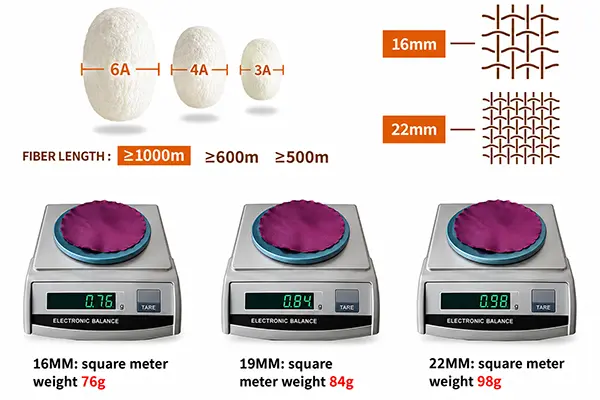
16–30 Momme by Garment
Clothing fabrics span 16–30 momme, with available weave and weight agreed for each style before sampling. Not every weight applies to every garment. Momme measures weight; a swatch shows drape and feel. Higher momme alone does not mean a better fit or finish.
Discuss Momme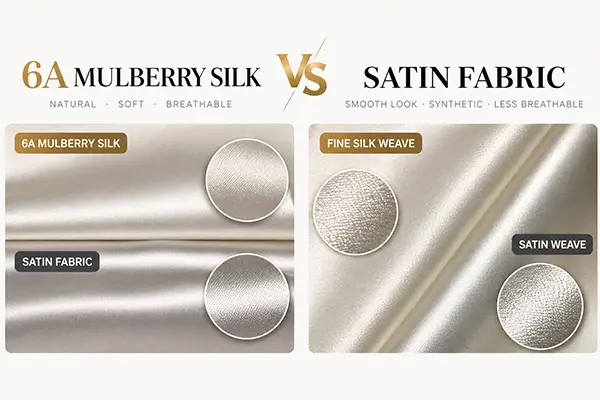
6A Silk and “Slip”
6A describes silk grade. “Slip” needs a specific fabric reference for comparison. Weave, weight and finish shape the feel, so a swatch tells more than the label alone.
Discuss Fabrics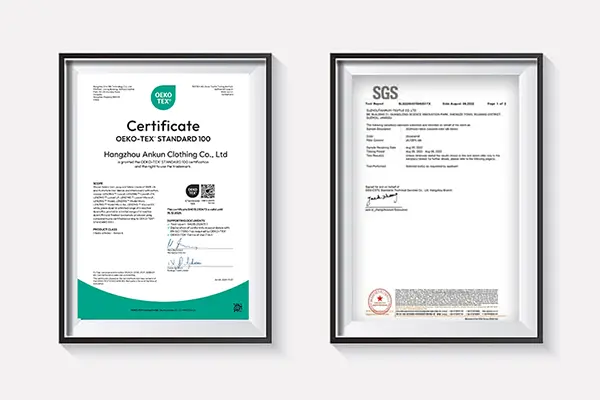
OEKO-TEX and Sustainability
LuxoSilk works to reduce cutting waste and sort offcuts by material. OEKO-TEX STANDARD 100 covers testing for harmful substances within the certificate’s scope. Certification for a project depends on the selected materials and valid documents.
Our Sustainability PracticesYour Silk Clothing Collection
Send your designs or reference garments, preferred fabrics and quantities by style for a clothing quote.
Request a QuoteCustom Silk Clothing FAQ
Garment choices, fabric compatibility, minimums and samples.